Fall Lawn Care Checklist: The Complete Ordered To-Do List
Start by testing your soil’s pH and nutrients; amend as needed. Mow at 2.5–3.5 inches, never scalping the turf, and gradually reduce height over several sessions. Water deeply every 4–8 days early in the morning, and check moisture levels with a moisture meter or shovel. Aerate compacted soil, overseed bare areas with quality seed, and rake or mulch leaves to improve airflow. Finish with your last mow and cleanup before winter; proper precautions protect against frost and heavy traffic. Continuing with this guide will help you prepare thoroughly.
Assess Your Lawn for Problems and Opportunities
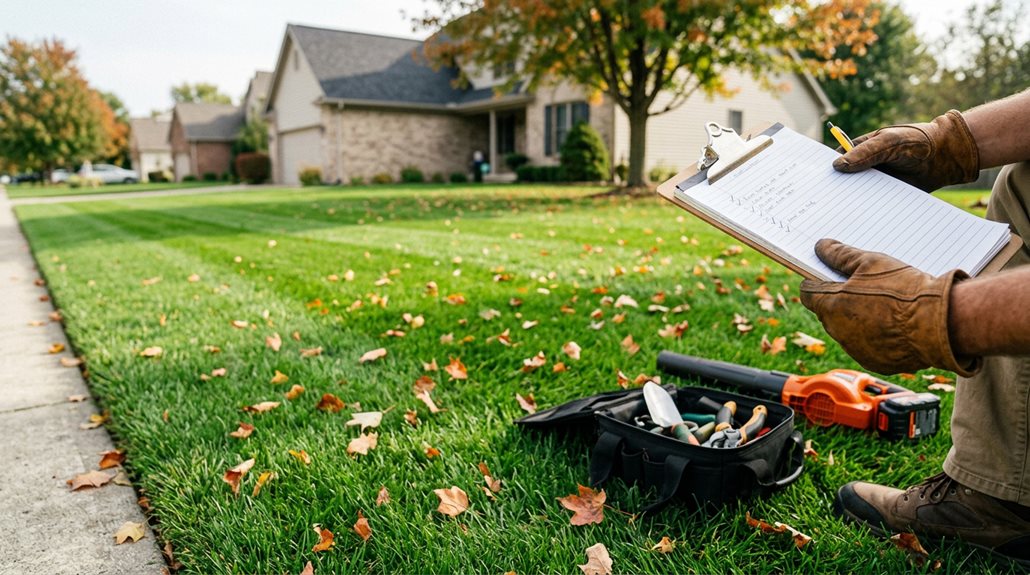
Wondering where to start your fall lawn care? Begin by testing your soil, especially if pH problems are suspected. Collect samples from healthy and weak areas, then compare results.
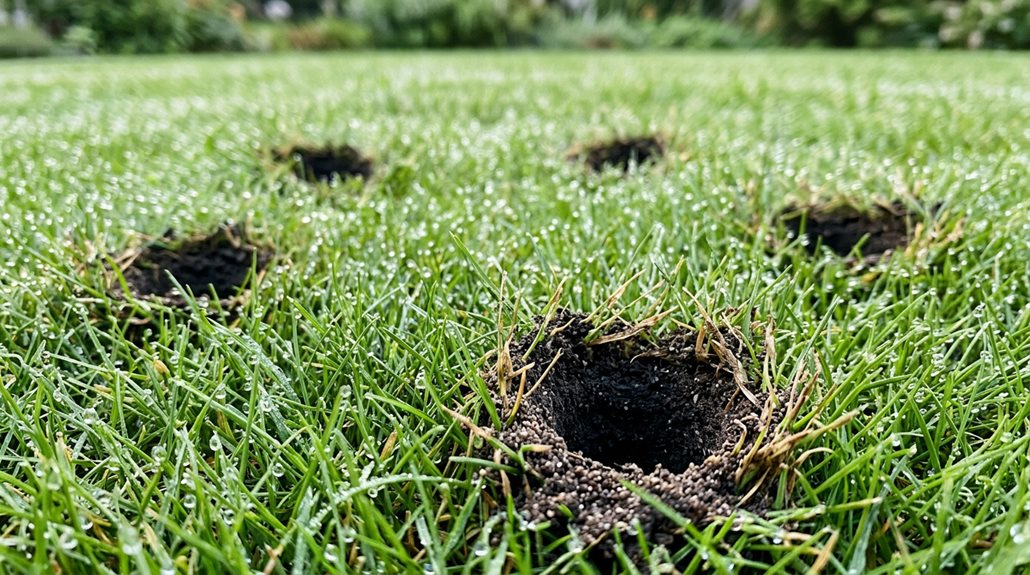
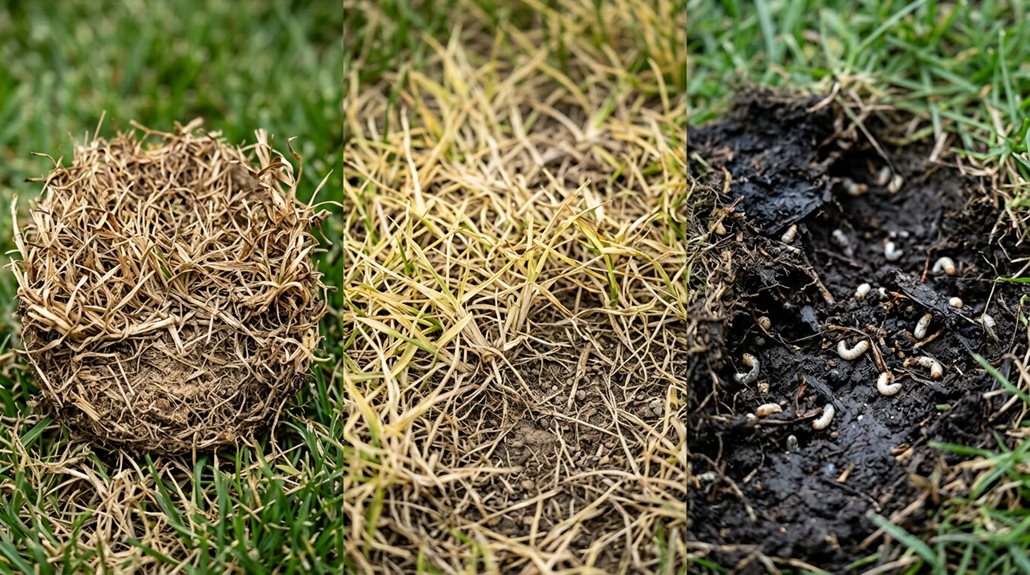
Look for fungal disease patterns, assess drainage and moisture issues, and identify areas needing improvement. Patchy, spongy turf that lifts easily often means white grubs in the soil below. If the damage is patchy rather than uniform, checking for grub damage before you overseed saves wasted seed.
Fall testing helps plan corrections before spring, ensuring a healthier, more resilient lawn. If the lawn is failing now rather than just tired, work through our step-by-step lawn diagnostic first.
Choose the Right Mowing Height for Fall
Set your mower to the recommended fall height for your grass type, usually between 2.5 and 3.5 inches for cool-season grasses. If your machine is struggling with the job, see our comparison of the best lawn mowers for a half acre.
Avoid cutting more than one-third of the blade at a time to prevent stressing the turf.
Always make sure not to scalp the lawn, as it can damage the grass and make it more vulnerable to winter injury.
Optimal Cutting Height
Choosing the right mowing height for fall is essential for keeping your lawn healthy and preparing it for winter.
Set your mower to the recommended height for your grass type, typically 2.5 to 3 inches for cool-season grasses.
Avoid cutting too short, as it weakens roots.
Raise the mower height slightly for warm-season grasses, ensuring the grass stores energy.
Avoid Scalping Turf
Avoid scalping your lawn by lowering the mower height too quickly in fall. Reduce height gradually over several mowings, never removing more than one-third of the leaf blade at once.
Use sharp, well-adjusted mower blades and mow on even ground.
Maintain the proper height for your grass type, and avoid cutting too short to prevent stress and damage.
Water Deeply and Adjust Your Frequency
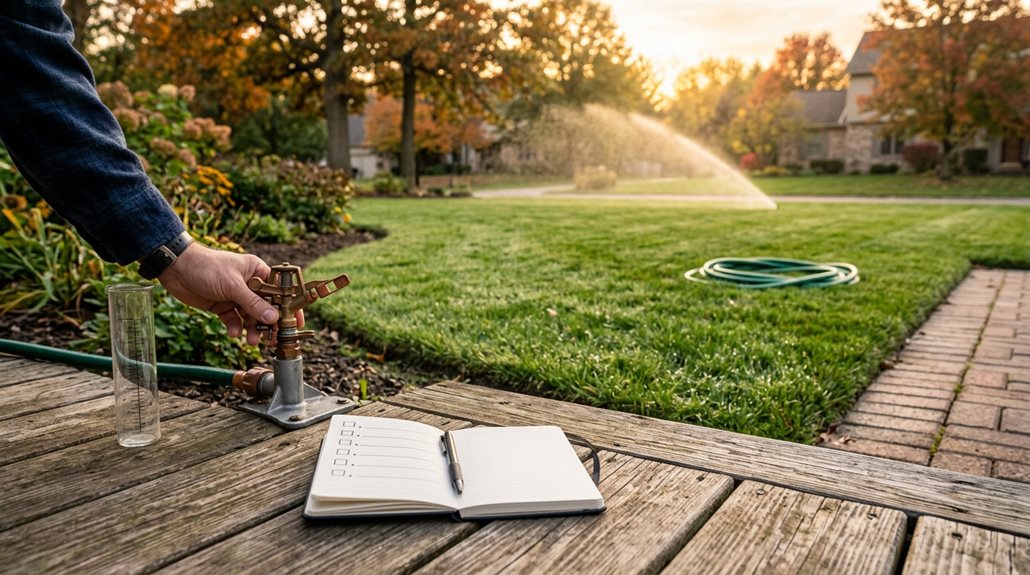
To water your lawn effectively in fall, focus on deep, infrequent watering rather than shallow, frequent sprays.
Water about once every 4 to 8 days, depending on weather and soil.
Check soil moisture with a shovel or finger.
Water until the soil is moist to about 6 inches deep.
Adjust frequency as temperatures drop and rain increases.
Loosen Compact Soil With Aeration
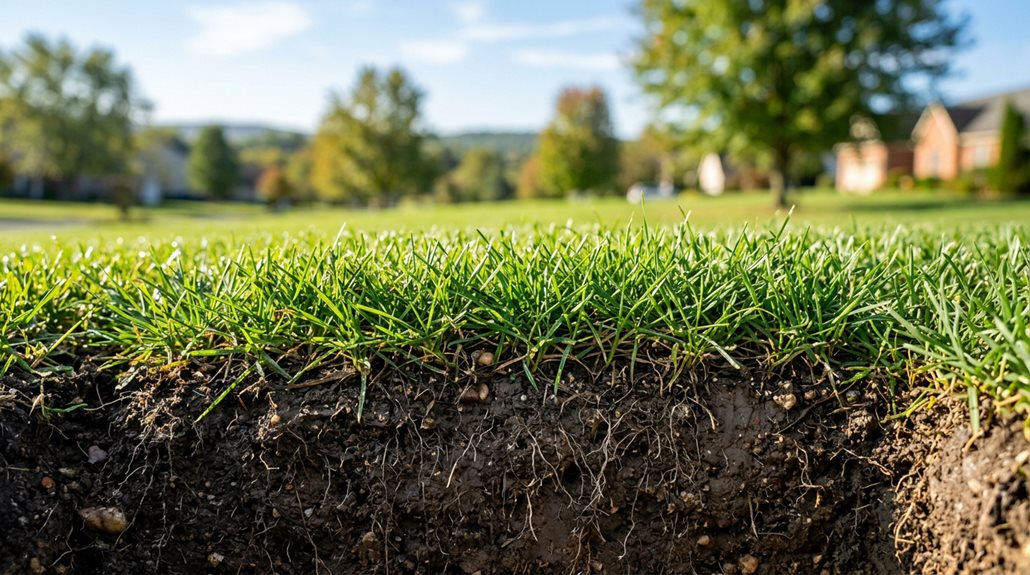
Why is aeration important for your lawn? It relieves soil compaction, improves airflow, and helps water and nutrients reach roots.
Use a core aerator to remove plugs 2 to 4 inches deep, especially in compacted areas.
Water your lawn before aerating, then run the machine across the turf evenly.
Break up soil plugs with a rake for best results.
Overseed Bare or Thin Areas to Boost Turf Density
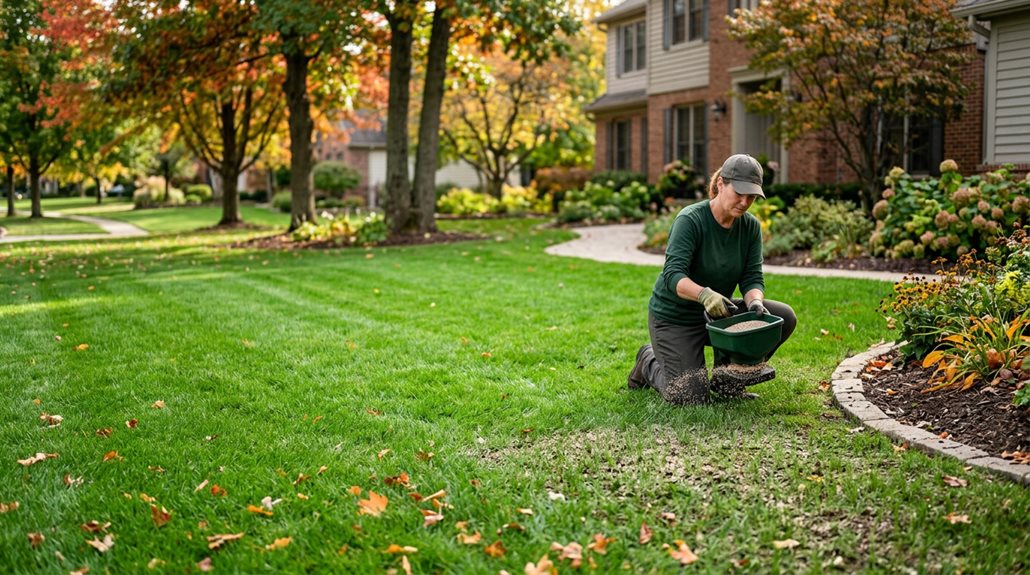
Choose a quality seed suited for your lawn, and follow the seed rate recommended on the package.
Prepare the soil by mowing short, removing debris, and lightly raking to improve seed-to-soil contact.
Keep the area consistently moist with daily watering until new grass is established.
Select the Right Seed
Selecting the right seed is vital for filling in bare or thin areas and enhancing your lawn’s density. Match seed to your lawn type and region, considering sun exposure, soil drainage, and foot traffic.
Use high-quality, certified seed like Kentucky bluegrass or perennial ryegrass for faster growth. Spread evenly, guarantee good seed-to-soil contact, and keep soil moist to promote germination.
Prepare Soil Properly
Preparing the soil properly is essential for successful overseeding and enhancing turf density. Test your soil first to identify pH and nutrient needs.
Remove debris, loose thatch, and dead grass.
Loosen compacted soil with aeration, then improve seed contact by raking or scalping.
Add compost or soil amendments to bare spots for better seed establishment and healthier grass growth.
Maintain Moisture Levels
Maintaining proper moisture levels is essential for successful overseeding and establishing new grass. Keep the top 1 to 1.5 inches of soil moist with light, frequent watering, especially in warm weather.
Water early in the morning to reduce evaporation and disease risk.
Adjust watering based on temperature, and avoid overwatering or creating puddles.
Use a moisture meter to monitor soil.
Fertilize Based on Soil Tests and Seasonal Needs
Before applying any fertilizer, you should start by testing your soil. Use a soil test kit or send a sample to a lab to check levels of phosphorus, potassium, and pH.
Follow the results to select the right fertilizer. Apply nitrogen based on your grass type and season.
Only add phosphorus or potassium if your soil test shows a need. Timing matters too: feed when soil temperatures hit the right window, explained in our soil temperature fertilizing guide.
Remove Leaves and Mulch for Better Airflow
Start by removing thick or wet leaves that block sunlight and restrict airflow, using a rake or leaf blower to gather them into piles.
If leaves are dry and thin, mulch them with a mower, chopping them into small pieces that fall between grass blades.
Always guarantee the leaf layer is thin enough for sunlight to reach the grass and for air to circulate freely.
Fine Mulch Application
Applying fine mulch correctly is crucial for maintaining healthy airflow around your lawn. Spread a thin, even layer no thicker than 2 inches using a rake or spreader.
Make sure debris is removed first, and consider aerating beforehand to improve soil contact.
Distribute mulch evenly across sections, avoiding clumps, to prevent sealing the surface and blocking air and water movement.
Proper Leaf Disposal
Removing leaves from your lawn helps improve airflow and keeps your grass healthy during fall.
Use a rake, blower, or mower with a bag to gather leaves.
Bag or compost the debris, or mulch leaves into small pieces with your mower.
Mulching helps leaves break down faster, adds nutrients, and prevents smothering.
Remove heavy leaf cover promptly for better airflow and healthier turf.
Enhancing Sunlight Access
Clear your lawn of excess leaves to improve sunlight access and airflow. Rake or mulch leaves when they cover about 50% of your lawn.
Use a mower with a mulching blade to chop dry leaves into fine pieces, allowing light and air to reach grass.
Remove wet or heavy layers promptly to prevent shading, mold, and disease.
Perform Your Last Mow and Cleanup Before Winter
As winter approaches, it’s important to finish your lawn care with a final mow and cleanup.
Mow until grass stops growing, aiming for 2.5 to 3 inches for cool-season lawns.
Follow the one-third rule, mow when dry, and use a sharp blade.
Remove leaves and debris, then clean your mower.
Finish before freezing weather to protect your lawn.
How to Protect Your Lawn From Frost and Heavy Traffic?
Protecting your lawn from frost and heavy traffic requires planning and careful action. Keep foot and vehicle traffic off frosted grass until it thaws to prevent cracks and damage. Use barriers or reroute activity to designated paths.
Maintain higher mowing heights and water the turf before frost to strengthen your lawn. Cover vulnerable areas with frost blankets or straw for added protection during cold nights.
Troubleshooting Common Fall Lawn Challenges
Addressing common fall lawn challenges requires a proactive approach. Rake or mulch leaves regularly to prevent smothering and disease.
Avoid overwatering; water deeply only when needed, especially if the turf feels spongy.
Aerate compacted soil and overseed bare patches to improve turf health.
Correct drainage issues and control weeds early to maintain a healthy, resilient lawn through fall. Soggy, waterlogged grass points to a drainage problem; our yard drainage guide walks through the fixes.
Sources
Seasonal task timing in this checklist follows university extension calendars, checked November 2026:
University of Maryland Extension: lawn maintenance calendar
Frequently Asked Questions
| Order | Task | Timing window | Why it matters |
|---|---|---|---|
| 1 | Test your soil | Early fall | pH and nutrient levels set every other decision |
| 2 | Adjust mowing height | All fall | 2.5-3.5 inches protects roots going into winter |
| 3 | Water deeply, less often | Until dormancy | About 1 inch a week trains deep roots |
| 4 | Core aerate | September to mid October | Relieves compaction so water, air and seed reach roots |
| 5 | Overseed thin areas | Before the last frost-free weeks | Fall seeding fills bare spots with little weed competition |
| 6 | Fertilize on results | Early fall plus late fall winterizer | Fall feeding builds roots and spring turf, not leafy top growth |
| 7 | Manage leaves | Through leaf drop | Mulch thin layers, remove heavy mats before they smother turf |
| 8 | Final mow and cleanup | When growth stops | Last mow around 2.5-3 inches, then store the mower dry |
Work down the list in order: everything after task 1 depends on what the soil test tells you.
When Is the Best Time to Aerate My Lawn in Fall?
You should aerate your lawn in early fall, ideally between September and mid-October, especially if you have cool-season grass. Make sure the soil is moist but not wet for best results.
How Often Should I Water My Lawn During Autumn?
You should water your lawn about once or twice a week during fall, aiming for ½ to 1 inch of moisture, adjusting based on rainfall, weather, and soil moisture, and stopping once dormancy or freezing begins.
Can I Overseed if the First Frost Is Approaching?
You shouldn’t overseed if the first frost is approaching within 45–60 days because seedlings need time to establish roots. Seeding too late risks poor germination and damage from the hard freeze, reducing your chances of success.
What Type of Fertilizer Works Best for Fall Application?
For fall, a nitrogen-forward fertilizer with a balanced or slightly nitrogen-heavy ratio like 4-1-2 works best, especially for cool-season grasses. Use slow-release nitrogen for sustained feeding, and consider potassium for winter hardiness.
How Do I Identify Signs of Lawn Disease in Fall?
You identify fall lawn disease signs by spotting brown or reddish patches, “frog-eye” patterns, and leaf spots with dark margins. Look for fungal growth, powdery coatings, and color changes, especially during cool, wet weather conditions.