When to Fertilize Lawn: Soil Temperature Guide by Region
To decide when to fertilize your lawn, check soil temperature 2 to 4 inches deep with a soil thermometer. Cool-season lawns get their main feeding in fall, when soil cools through the 60s into the 50s°F, plus a light optional spring feeding after the growth flush. Warm-season lawns need soil at 65°F or higher, usually late spring to early summer. Measure at a consistent depth over several days and match the reading to your grass type. Match the reading to your grass type and the season, not the other way around.
Why Soil Temperature Is Key to Fertilizer Timing
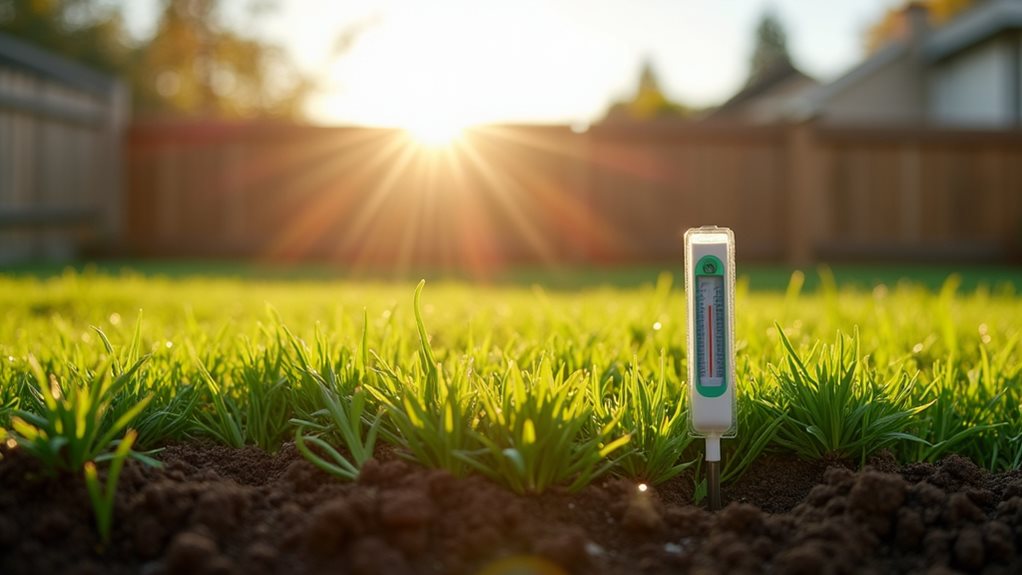
Soil temperature is the most important factor when deciding the right time to fertilize your lawn. It is just as important for planting decisions: see our what to plant in October guide. You should monitor soil warmth, as roots absorb nutrients best when soil reaches specific temperatures.
Use a soil thermometer, check 2 to 4 inches deep at a consistent depth, and wait until soil hits the ideal temperature for your grass type: 50 to 55°F rising for cool-season, or 65°F and higher for warm-season grasses.
How to Check Soil Temperature the Right Way
To check soil temperature correctly, pick a consistent depth of 2 to 4 inches, and start by selecting a representative spot in your lawn, free from heat sources like pavement or shade.
Insert a soil thermometer or probe straight down into bare soil, avoiding rocks or roots.
Push to your chosen depth, hold steady until the reading stabilizes, and record the temperature.
Repeat for accuracy.
When to Fertilize Cool-Season Grasses Based on Soil Temperature
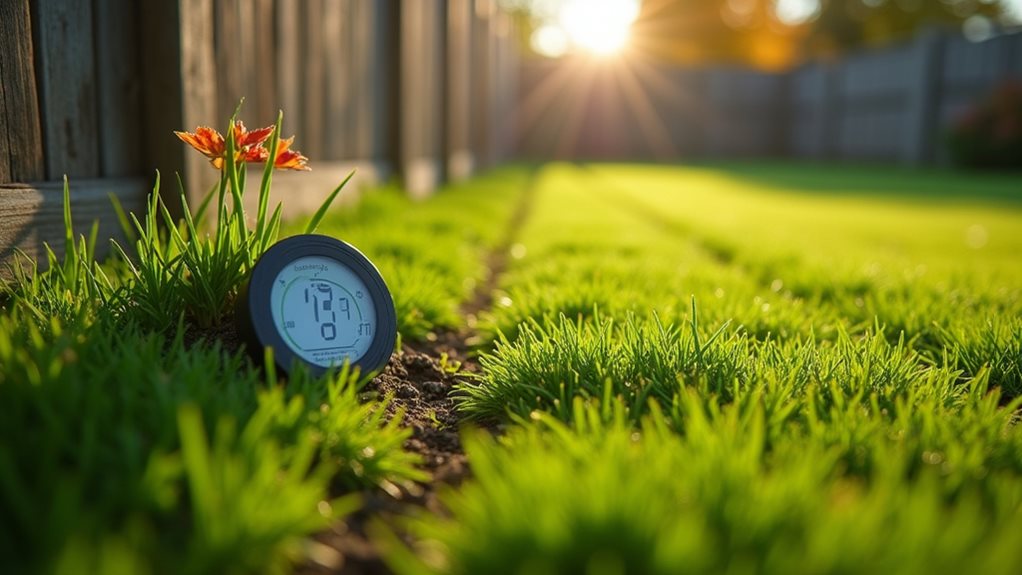
To determine when to fertilize cool-season grasses, remember that fall is the main feeding season. Purdue’s turf specialists recommend fertilizing cool-season lawns mainly in autumn, with only light nitrogen after the spring growth flush.
In fall, feed as soil cools from the 60s into the 50s°F, and stop once readings stay below 50°F. VCE’s fall lawn care program covers September through November and warns never to fertilize frozen soil.
Follow regional temperature trends and use a soil thermometer to apply fertilizer at the right time for ideal growth.
Optimal Soil Temperature Range
Fertilizing cool-season grasses works best when soil temperatures are between 50°F and 65°F. Measure soil temperature at 2-4 inches deep with a soil thermometer, ideally in shaded areas.
Check the temperature over several days, especially mid-morning.
Apply fertilizer when soil readings are consistently within this range, ensuring active growth and efficient nutrient uptake.
Spring Fertilization Timing
Spring fertilization for cool-season grasses depends on soil temperature, not just the calendar. Measure soil temperature around 2 to 4 inches deep in shaded areas, avoiding heat from pavement.
Wait until soil reaches about 55°F and stays rising for several days.
Apply a light, slow-release nitrogen fertilizer only when turf is actively growing.
Follow these steps for best results.
Fall Feeding Window
The best time to fertilize cool-season grasses in fall depends on soil temperature, not just the date. Measure soil temperature at 2 to 4 inches deep, at the same depth each time.
Fertilize when it’s between 55°F and 65°F for active root growth. Stop when soil drops below 50°F.
Use a soil thermometer and follow regional timing patterns for the most effective fall feeding. The rest of the fall lawn plan is in our fall lawn care checklist.
Timing Warm-Season Lawns for Fertilizer Using Soil Heat
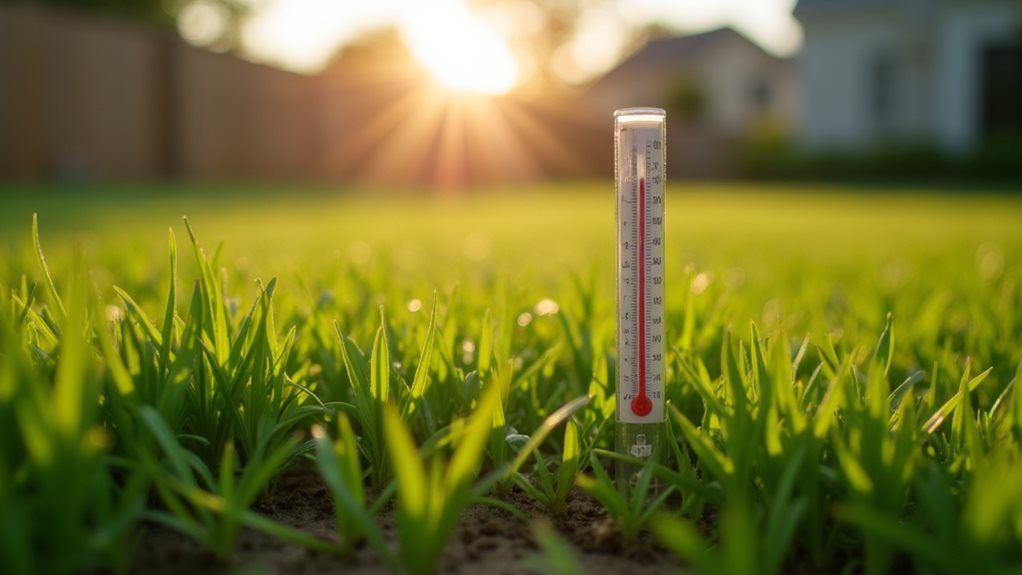
To properly time your warm-season lawn fertilization, start by checking the soil temperature at a depth of 2 to 4 inches. Use a soil thermometer and measure mid-morning.
Record readings daily for 3 to 5 days.
Fertilize only when the soil stays at 65°F or higher, ensuring your lawn is fully greened and actively growing before applying nutrients.
Regional Timing Tips: North vs. South Lawn Care
Your timing depends on your region’s climate and soil temperature.
For northern lawns, wait until soils stay above 55°F and grass begins active growth in early spring.
In southern areas, wait for full green-up and soil temperatures near 65°F before fertilizing.
Timing Based on Climate
Understanding when to fertilize your lawn depends on your climate and region.
In the North, fertilize in late summer or early fall, when soil temperatures reach 50°F to 65°F, promoting root growth.
In the South, fertilize from late spring to summer, after soil warms above 65°F, supporting active growth.
Follow regional guidelines for timing and soil temperature.
Regional Fertilization Windows
Knowing the right time to fertilize depends on your region and grass type.
For the North, fertilize mainly in early fall and lightly in late spring when soil holds 50-55°F.
In the South, apply fertilizer from late March to April, once soil warms to 65-70°F, and repeat throughout summer.
Use soil thermometers at root depth for accuracy. For the full planting-year plan, build our printable planting calendar by zone.
| Grass type or region | Soil temperature to fertilize | Typical timing | Notes |
|---|---|---|---|
| Cool-season grass (bluegrass, fescue, ryegrass) | 50 to 55°F | Light feeding in spring as soil rises past 55°F; main feedings in fall as soil cools from the 60s into the 50s | Feed lightly in spring, give the main feeding in fall |
| Warm-season grass (bermuda, zoysia, St. Augustine) | 65°F or higher | Late spring to early summer, after full green-up | Repeat through the growing season |
| North and cool climates | 55°F and rising in spring | Early fall first, then a light spring feeding | Stop fall feeding when soil drops below 50°F |
| South and warm climates | 65 to 70°F | Late March to April, then through summer | Wait for full green-up, skip stressed or dormant grass |
Measure at 2 to 4 inches deep in the morning for several days in a row before you apply anything, and use the reading that matches your grass type, not the calendar.
How to Tell When Your Lawn Is Ready for Fertilizer
To determine if your lawn is ready for fertilizer, start by checking the soil temperature with a soil thermometer. Insert it at 2-4 inches depth, ideally in the morning, and wait for a stable reading.
For cool-season grasses, soil should be about 50 to 55°F; for warm-season, 65°F or higher.
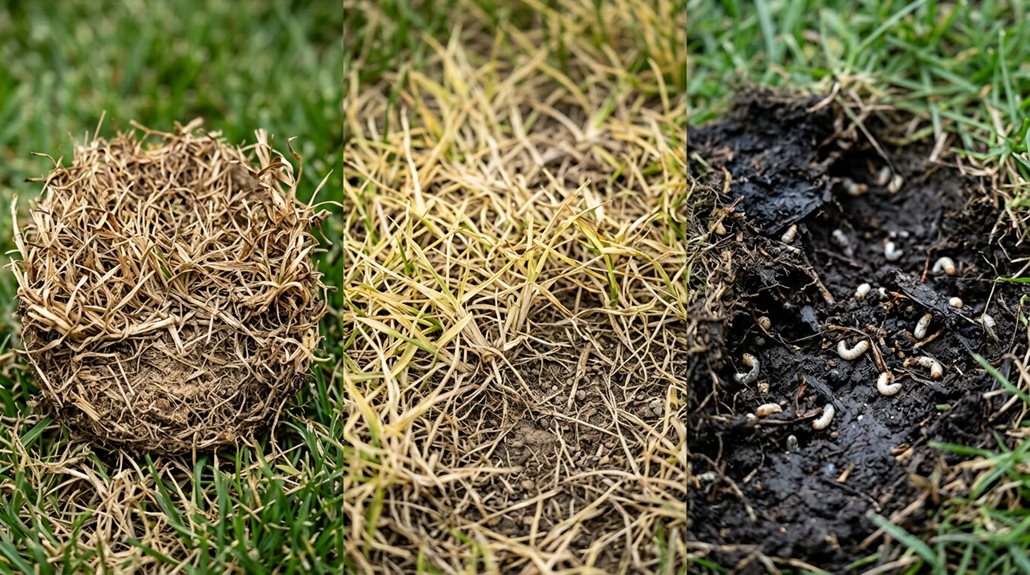
Make sure grass is actively growing and not stressed. For the watering side of the schedule, see our guide to how often to water. If your lawn looks unhealthy, hold off on fertilizer and diagnose why it is struggling first.
Common Mistakes When Fertilizing Based on Soil Temperature
Fertilizing based solely on soil temperature can lead to common mistakes that weaken your lawn. Always check soil temperature at a consistent depth, like 2 to 4 inches, using a soil thermometer.
Wait for 3 to 5 days of stable temperatures above 50°F, avoiding guesses based on air temperature or surface readings. This helps ensure nutrients are absorbed and prevents waste.
Using Soil Temperature to Optimize Your Lawn Fertilizer Schedule Year-Round
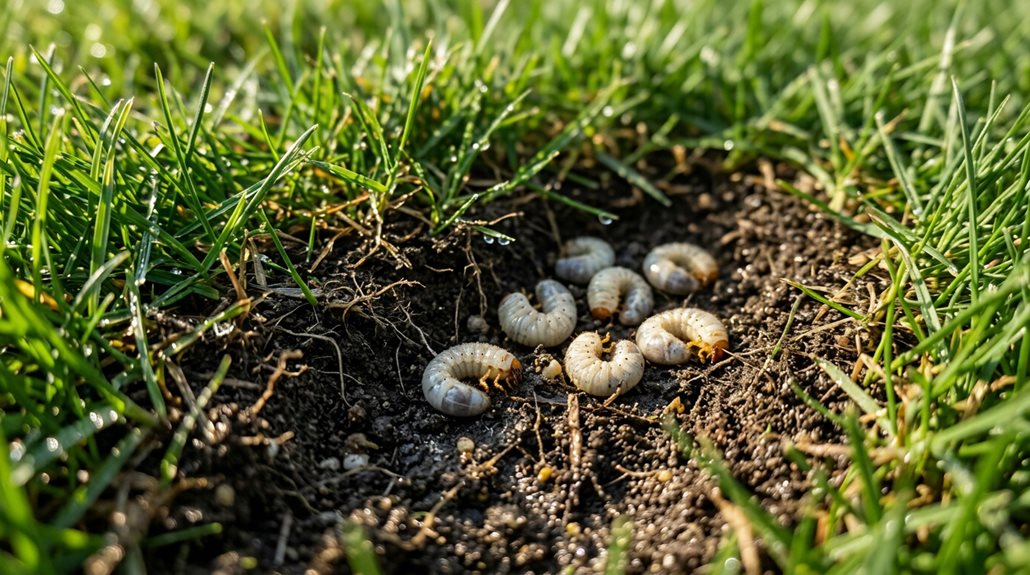
Using soil temperature to schedule your lawn fertilizer application helps ensure you give nutrients when your grass can most effectively absorb them. Well-fed turf stays thick and healthy, which also makes it more resistant to white grub and disease problems.
Measure soil temperature at 2 to 4 inches deep each morning, over several days.
Wait until the temperature stays stable at the recommended threshold (55°F for cool-season, 65°F for warm-season grasses) before applying fertilizer.
Sources
Fertilization timing in this guide follows these university extension publications, checked November 2026:
Purdue Turfgrass Science: fertilizer recommendations
Virginia Cooperative Extension: fall lawn care
Frequently Asked Questions
How Often Should I Check Soil Temperature During the Season?
You should check soil temperature weekly or every 1 to 2 weeks during the main growing season, adjusting frequency after heavy rain or temperature spikes. During early spring, check more often, about every 2 to 3 days, to track warming trends.
Can Soil Temperature Vary Significantly Within My Yard?
Yes, soil temperature can vary considerably within your yard due to factors like sun exposure, shade, slope, and soil type. These differences can affect how quickly certain areas warm up or cool down, influencing lawn growth and fertilization timing.
What Tools Are Best for Measuring Soil Temperature Accurately?
You should use an analog soil thermometer or a digital probe thermometer for accurate measurements. Both provide quick, reliable readings when inserted to the correct depth and allowed to stabilize, helping you make informed fertilizing decisions.
How Do Weather Changes Affect Soil Temperature Readings?
Weather changes, like sunlight, cloud cover, rain, and wind, directly impact soil temperature readings. Sunny days warm soil quickly, while cloudy or rainy weather cools it down, causing fluctuations that reflect recent weather patterns and affect your soil temperature measurements.
Is Soil Temperature More Important Than Air Temperature for Fertilizing?
Yes, soil temperature is more important than air temperature for fertilizing because it directly indicates when grass roots actively absorb nutrients, ensuring your fertilizer application is effective and timed correctly for ideal turf growth and health.