What to Plant in October: Zone-by-Zone US Planting Guide
In October, plant cold-hardy vegetables based on your USDA zone. In zones 3–4, focus on spinach, kale, and carrots, using mulch or raised beds for protection. Zones 5–6 can grow broccoli and cabbage, while zones 7–8 support greens, garlic, and onions. Use row covers or cold frames to extend your season and protect tender crops from frost. Continue exploring the detailed guide to maximize your fall harvest and adapt to microclimates.
How to Plan Your October Garden Based on Frost Dates
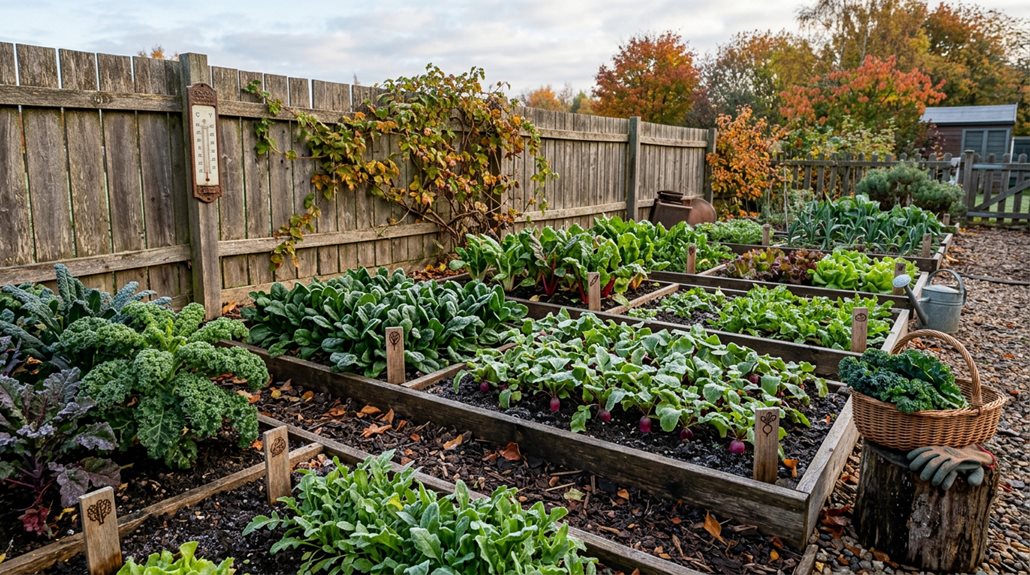
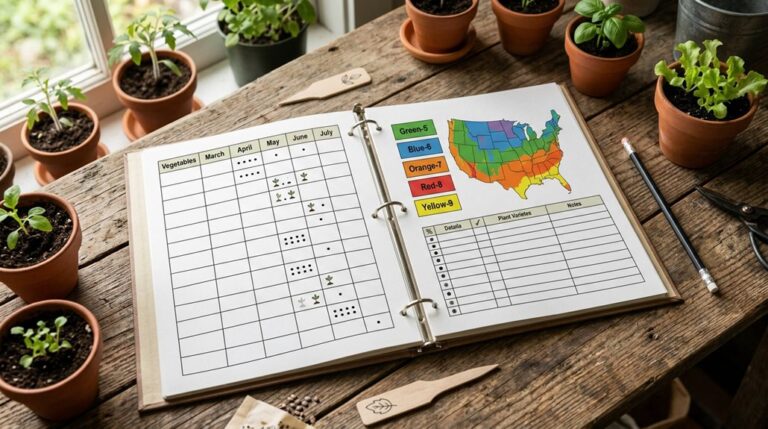
To plan your October garden effectively, start by finding out your area’s average first fall frost date. Use local weather data or USDA zone info. Mark this date on your calendar. Then build a full year of sowing and transplant windows with our printable planting calendar by zone.
Then, count backward to set planting deadlines. Focus on crops that mature before the frost, and be ready to adjust based on microclimates or unexpected weather changes.
Best Vegetables to Plant in October by Zone
Different zones have different planting windows in October, so knowing your zone helps determine what vegetables you should plant now.
In zones 3–4, focus on cold-hardy greens like spinach, kale, and early carrots, using mulch or raised beds for protection.
Zones 5–6 can plant broccoli, cabbage, and root crops.
Zones 7–8 support leafy greens, brassicas, garlic, and onions.
| USDA zone | Typical first frost | Best bets to plant in October | Key October job |
|---|---|---|---|
| Zones 3-4 | Mid to late September | Garlic early in the month, winter rye cover crop | Lift tender bulbs, mulch beds, clean up |
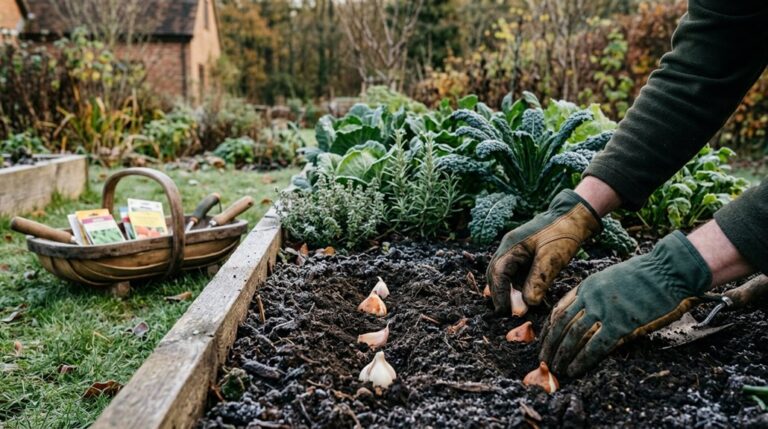
| Zones 5-6 | Early to late October | Garlic and shallots, spring bulbs (last month), spinach and mache under cover | Plant garlic about 2 weeks after frost date, mulch well |
| Zones 7-8 | Early to mid November | Garlic, spring bulbs, leafy greens, brassicas, kale, collards, lettuce | The best planting month of fall: use it |
| Zones 9-10 | December or rarely | Cool-season vegetables: lettuce, peas, carrots, broccoli, cabbage, cilantro | Your prime planting season starts now |
Rows follow average first-frost dates; your microclimate can shift them by a week or two either way.
Extending Your Growing Season With Protective Covers
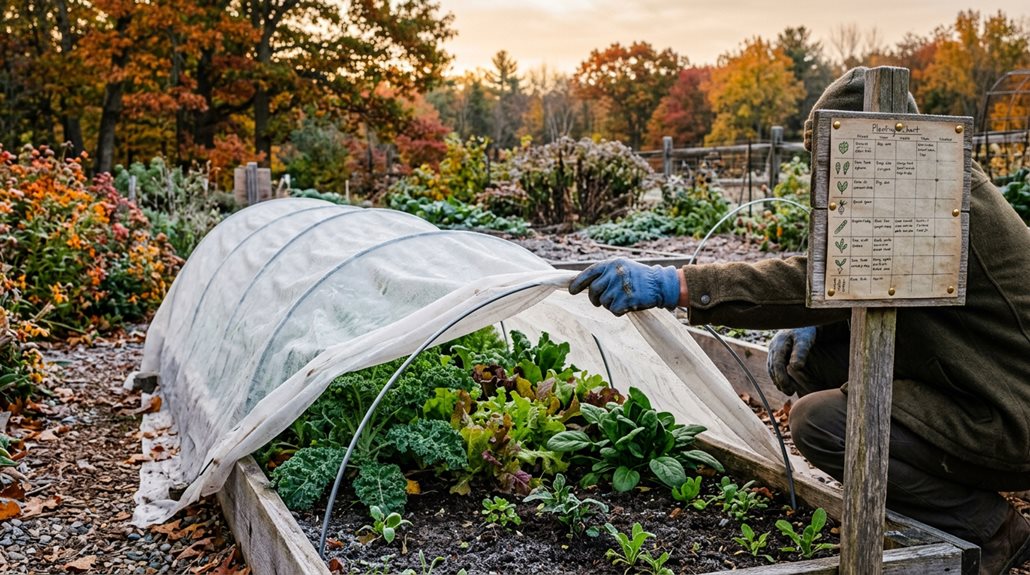
Extending your growing season in October involves using protective covers that shield plants from cold temperatures while allowing light and air to reach them.
Drape floating row covers loosely over crops, secure edges with soil or stones, and add hoops for support.
Adjust covers during warmer days to prevent overheating, and consider heavier fabrics or double layers for stronger frost protection.
Top Tips for Successful October Planting in Different Regions
Adjust your planting dates based on your region’s climate and first frost date.
Use protective coverings like row covers or cold frames to extend the growing season and shield crops from early frosts.
Follow these steps carefully to maximize your success and keep your garden productive late into the fall.
Adjust Planting Dates
To successfully adjust your planting dates for October, start by focusing on your area’s first frost date, not the calendar. Count backward from that date to set your sowing deadlines.
Use seed packet maturity days, and consider your region’s climate.
Plant quicker crops in colder zones, and prioritize transplants or direct seeding based on your area’s fall weather.
Use Protective Coverings
Using protective coverings can markedly improve your success with October planting. Use lightweight row covers to protect frost-sensitive seedlings, especially in Zones 3–6.
Keep cold frames ready for colder zones or late plantings, and apply mulch around roots for insulation.
Use cloches or tunnels for quick protection, installing them before temperatures drop to prevent frost damage.
Understanding Soil Temperatures and When to Sow
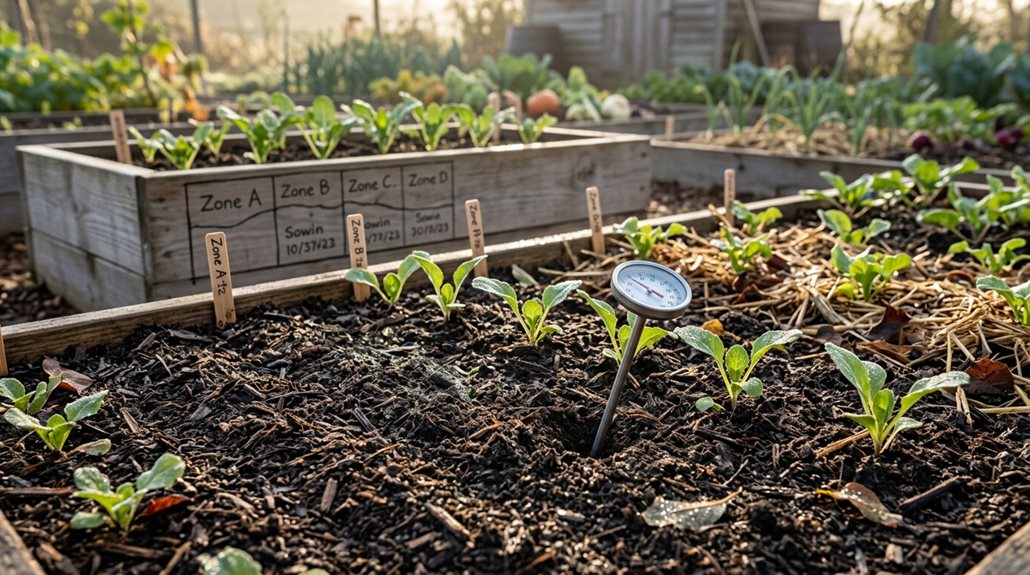
To determine the best time for planting, check the soil temperature with a probe thermometer. Insert the thermometer about 2 inches deep for seeds or 4 to 6 inches for transplants.
Take readings over three mornings around mid-morning. The same soil-temperature principle drives fall lawn feeding; our when to fertilize lawn guide explains the 55/65F rules. Only sow when your soil matches the crop’s ideal temperature range to guarantee healthy germination and growth.
Ideal Soil Temperature Range
Understanding soil temperature is essential for successful planting in October. Aim for the right temperature range for your crops.
Cool-season crops like lettuce and spinach germinate best at 35–75°F, while warm-season crops such as beans and tomatoes need 60–95°F.
Use a soil thermometer, and plant when temperatures match your crop’s ideal range for best results.
Monitoring Soil Warmth
Monitoring soil warmth guarantees you plant at the right time for best results. Use a soil thermometer placed about 4 inches deep in your planting bed, not a sunny or sheltered spot.
Insert the probe vertically, wait for the reading to stabilize, and take multiple readings over several mornings.
Average these to determine if soil temperature is suitable for planting.
Troubleshooting Common October Gardening Challenges
Frost and sudden cold snaps can catch gardeners off guard in October, but quick action can protect your plants. Cover tender plants with frost fabric, sheets, or blankets when temperatures drop.
Remove covers in the morning to prevent heat stress. Harvest frost-sensitive crops early, and use cold frames or row covers to extend harvests and protect your garden from unexpected freezes.
Timing Your Fall Bulb and Tree Plantings
Timing is key when planting fall bulbs and trees to guarantee they establish strong roots before winter sets in.
Plant bulbs when soil temperatures drop below 60°F, about 6 weeks before the first frost.
For trees, plant in October, especially in zones 3–8, ensuring roots develop before soil freezes.
Use well-draining soil and mulch after planting for best results.
Preparing for Frost and Ensuring a Bountiful Fall Harvest
As fall approaches, it’s important to prepare your garden for upcoming cold weather to guarantee a healthy, productive harvest.
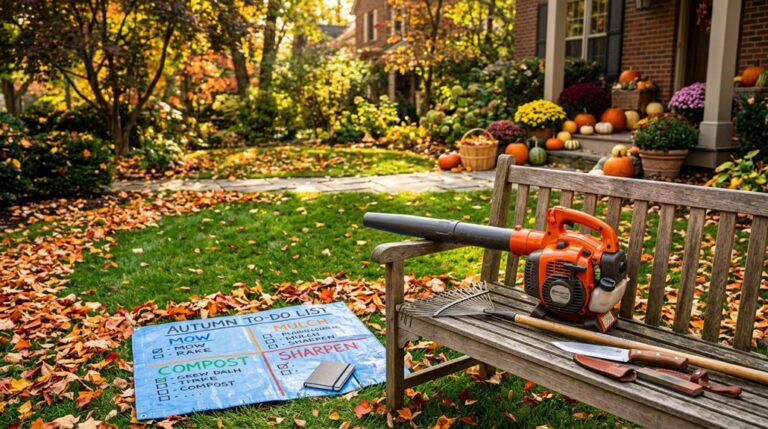
Harvest frost-sensitive crops quickly, and cover tender greens with blankets or row covers supported by hoops. October is also the month to put the lawn to bed; our fall lawn care checklist covers it in order.
Water thoroughly, mulch with straw or leaves, and remove covers when temperatures rise.
These steps protect plants and extend your harvest. When October closes out, the schedule continues in our guide to what to plant in November.
Sources
Fall planting windows in this guide were checked against university extension planting calendars in November 2026:
Illinois Extension: when to plant your vegetables
Frequently Asked Questions
How Do I Determine My Exact First Frost Date?
You determine your exact first frost date by identifying your USDA hardiness zone, consulting local weather records, and monitoring nightly forecasts for temperatures near 32°F, adjusting your plans as weather conditions and forecasts evolve in the final weeks.
What Are the Best Protective Covers for Fall Gardening?
You should use floating row covers for light frost protection, frost blankets for minor frosts, and plastic film or hoop houses for extended cold. Secure covers tightly, remove them when temperatures rise, and support taller crops to prevent damage.
How Can I Extend My Growing Season in Colder Zones?
You can extend your growing season in colder zones by using season extenders like cold frames, hoop houses, and row covers, choosing cold-tolerant crops, planting transplants early, and strategically siteing near structures or slopes for warmth.
Which Crops Are Most Vulnerable to Early Frost?
You should protect or harvest frost-sensitive crops like tomatoes, peppers, eggplant, cucumbers, beans, sweet corn, squash, watermelon, muskmelon, and sweet potatoes before early frost. These plants are most vulnerable to damage from freezing temperatures.
When Is the Ideal Time to Plant Spring-Flowering Bulbs?
You should plant spring-flowering bulbs in fall, ideally 6 to 8 weeks before the first hard frost. Wait until soil cools below 60°F, around 50-55°F, for the best root development and healthy blooms.